5.31.2014

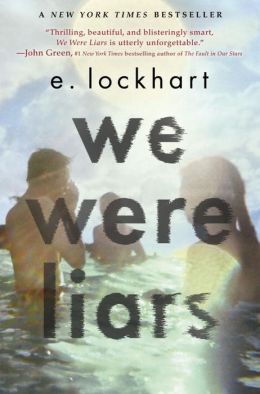
Review: We Were Liars | E Lockhart

I am, admittedly, not generally the biggest YA fiction fan. That being said, I absolutely loved this book. I finished it in one sitting. And my best advise is echoed anywhere reviews of this book are posted: Don't read the spoilers.

The book, by National Book Award for Young People's Literature finalist E Lockart, is a twisty, clever, suspense novel that centers around four teenagers - the Liars - who vacation each summer to their family's private island off the coast of Massachusetts. It is narrated by Cadence ("Cady"), one of the four Liars, who, during her 15th summer on the island, wakes up barely clothed and barely conscious on the beach. She has no memory of the accident and no one in her family seems willing to help her remember. Two years later, she returns to the island to attempt to piece together what happened that summer. I don't want to write too much more about the plot because I think the less you know about it, the more you will be affected by it.

Lockhart's writing is fresh and fast-paced and full of clever observations and fable-esque overtones. It is a novel you will want to devour in a single sitting. And you'll be happy you did.

I'd also recommend checking out the marketing tumblr made for the book's release.


5.27.2014

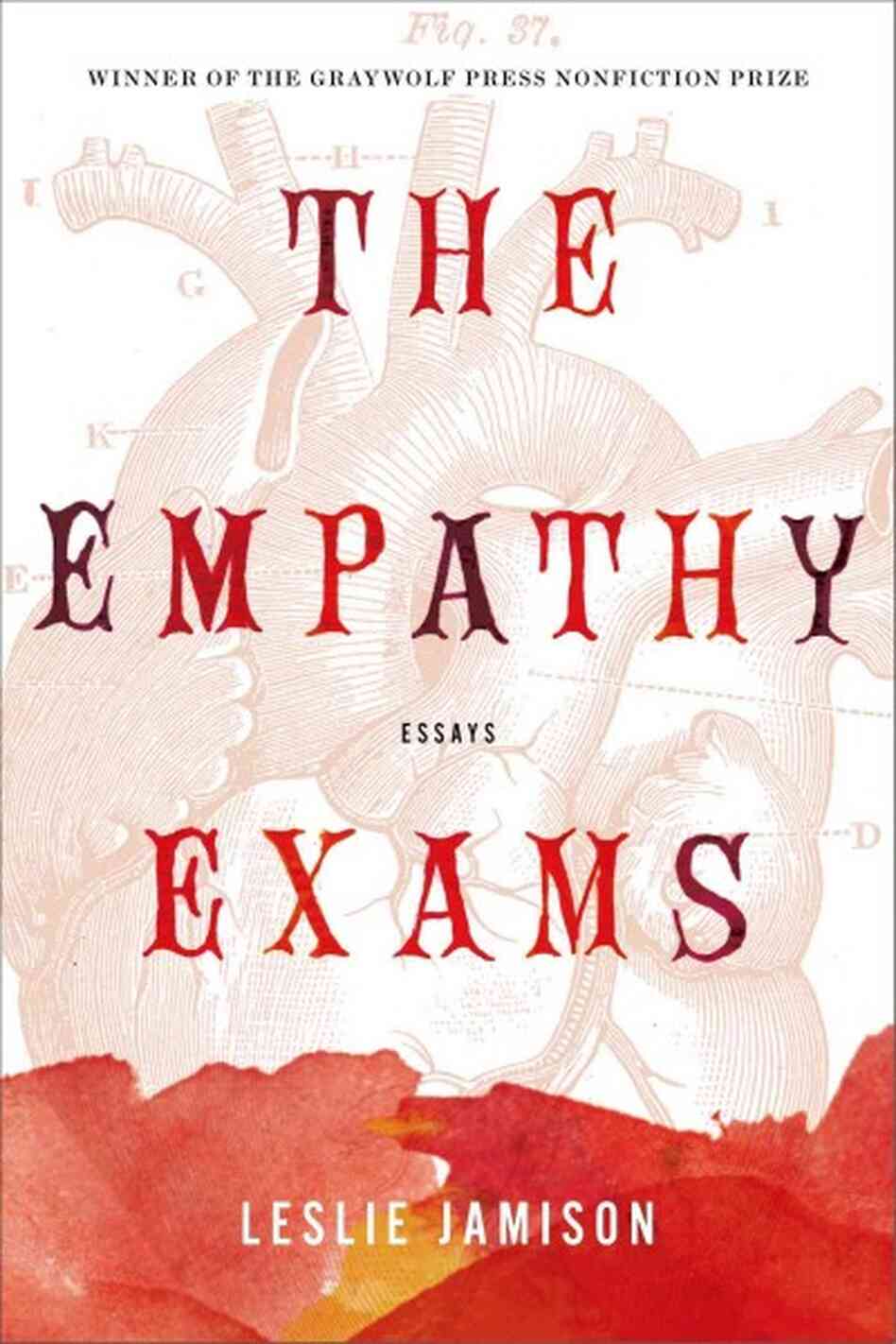
Review: The Empathy Exams | Leslie Jamison

I can't say enough positive things about this beautiful, thought provoking essay collection.

The topics in the collection range from Jamison's experience as a medical actor, a conference about a phantom disease, the poverty of Los Angeles, incarceration, ultra runners, and murder trials. These topics are layered with Jamison's own experiences and effortlessly weaves the stories of others with stories from her own experiences with illness and pain.

Jamison doesn't shy away from writing about uncomfortable topics both in other's lives and in her own and twists our ideas of pain, suffering, empathy, and hurt into ways I'm still processing. She examines these things through the lens of literature and philosophical theory and through the lives of people she's interacted with - both positively and negatively.

I think it's especially difficult for an essay collection to situate itself around a topic and actually present in each essay a unique viewpoint, a unique way to look at the topic, and, after finishing, a feeling that the collection as a whole was a complete meditation on the issue. Jamison completely delivers. In the best possible way, each essay left me wanting to re-frame and re-process the way I've previously thought about these issues.

Last year, Neiman Storyboard's Annotation Tuesday feature published a conversation with Jamison about one of the stories that ultimately became part of this collection - Fog Count. The feature takes short stories and embeds in them questions from the interviewer along with the author's response - questions such as why certain narrative devises were chosen, whether or not the evocation of various emotions was intended, why focus landed on certain facts or features, etc. It's a really fascinating way to look at a short story and I think this particular story (one of my favorites in the collection) was well served by even further exploration into Jamison's motivations and thought processes.

If you're interested in hearing more from Jamison, check her interview on Brad Listi's Other People podcast.

5.20.2014

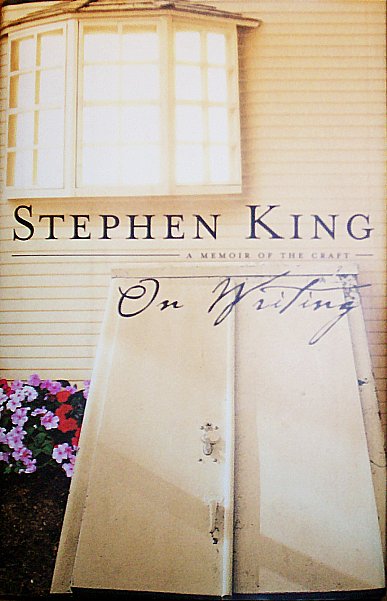
Review: On Writing | Stephen King

On writing is Stephen King's part autobiography, part writing manifesto. These two threads are sometimes separate, sometimes woven together into an inspiring read for anyone who wants to write.

King starts out with what he calls a series of snapshots about his life - his childhood in Maine, his first attempts at sending stories out for publication as a teenager, his time in college, meeting his wife, and finding the inspiration for his first novel. This section helps inform the subsequent sections of the book - his thoughts on writing, vocabulary, grammar, and style. This is not a how-to book for writers, which I think is part of its appeal. It's one man's writing process. One man's thoughts on how to use our given tools to create meaningful stories.  King also doesn't pretend to have all of the answers, and acknowledges that everyone's inspiration won't be packaged the same way his was. "Let's get one thing clear right now, shall we?" says King. "There is no Idea Dump, no Story Central, no Island of the Buried Bestsellers; good story ideas seem to come quite literally from nowhere, sailing at you right out of the empty sky: two previously unrelated ideas come together and make something new under the sun. Your job isn't to find these ideas but to recognize them when they show up."  

King also talks candidly about his own struggles with getting started as a writer and his bouts of substance abuse, writer's block, and editing his own work. He gives practical advise for each of these in a way that comes off as inspiring rather than self aggrandizing. My favorite advise of King's is perhaps the most obvious but I think it's something we all take for granted: "If you want to be a writer, you must do two things above all others: read a lot and write a lot. There's no way around these things that I'm aware of, no shortcut." Even if you're not a fan of Stephen King the writer, you will come away from this book as a fan of Stephen King the person and storyteller and master craftsman.